Maximizing Efficiency and Cost-Effectiveness in Air Freight: A Comprehensive Guide to Shipping Centers, Transportation, and Airports
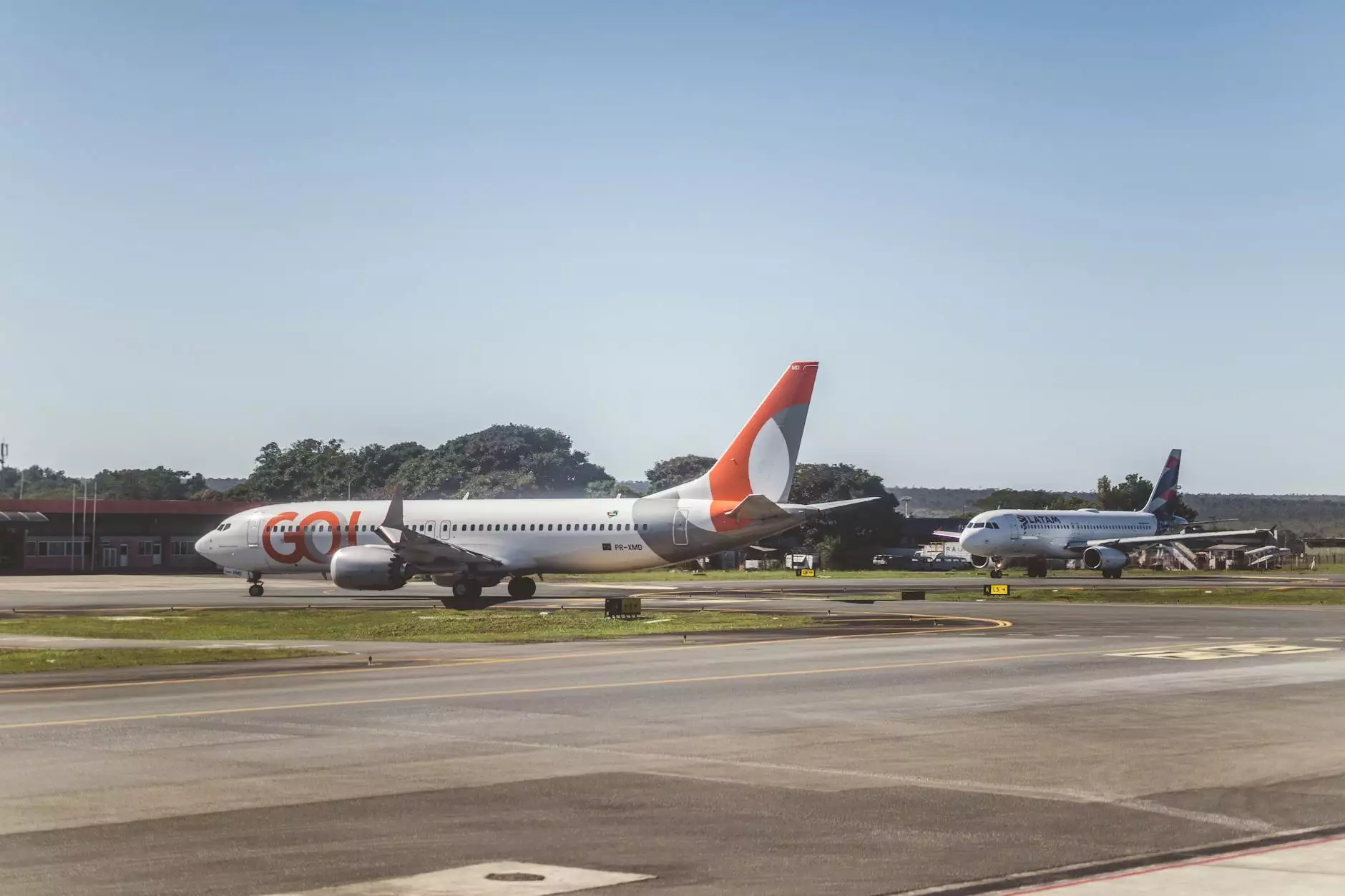
In the fast-paced world of international trade and logistics, air freight remains a critical component for businesses striving for rapid, reliable, and cost-effective delivery of their cargo. As companies expand globally, understanding the intricate details of air freight prices, the strategic importance of shipping centers, the nuances of transportation logistics, and the vital role of airports can significantly influence operational success and profitability.
Understanding the Significance of Air Freight in Global Commerce
Air freight offers unparalleled speed and reach, enabling goods to move across continents within hours, not days. This rapid transit capability is essential for industries such as pharmaceuticals, electronics, fashion, and perishable goods, where timing is crucial. Accurate knowledge of air freight prices allows businesses to optimize their supply chain, balancing cost with speed to meet market demands efficiently.
The Dynamics of Air Freight Prices: Factors Influencing Costs
Air freight prices are dynamic and influenced by numerous interconnected factors. Mastering these factors enables shippers to negotiate better rates and plan budgets effectively. Below are key aspects that impact air freight costs:
- Cargo Volume and Weight: The weight and volume of goods are primary determinants of price. Airlines often use either the actual weight or the volumetric weight, whichever is higher, to calculate charges.
- Destination and Route: Shipping to remote or less-served destinations often incurs higher costs. Popular routes benefit from competitive pricing due to high traffic volumes.
- Type of Service: Express or priority services command premium prices, while economical or consolidated options reduce costs.
- Fuel Prices: Fluctuations in jet fuel prices directly influence freight rates, with increases leading to higher costs.
- Market Demand and Capacity: During peak seasons or when capacity is limited, prices tend to spike, emphasizing the importance of strategic planning.
- Customs and Regulatory Fees: Additional charges for customs clearance, security, and regulatory compliance add to total costs.
Enhancing Efficiency Through Effective Use of Shipping Centers
Shipping centers serve as vital hubs in the freight logistics network, streamlining cargo processing, storage, and distribution. Strategic placement and efficient operation of these centers reduce transit times and costs, directly impacting air freight prices and overall supply chain efficiency.
The Role of Shipping Centers in Air Freight Logistics
Shipping centers, often located at key airports or transportation hubs, facilitate seamless handling of cargo—handling customs inspections, warehousing, labeling, and consolidations. They function as controlled environments that prepare goods for onward transmission, ensuring compliance with regulations and reducing delays.
Key Benefits of Optimized Shipping Centers
- Reduced Transit Times: Well-managed centers minimize bottlenecks, ensuring quicker turnaround.
- Lower Handling Costs: Automation and efficient processes reduce labor and operational expenses.
- Improved Cargo Security: State-of-the-art security measures protect shipments, preventing theft or damage.
- Better Inventory Management: Advanced tracking systems offer real-time inventory updates, enabling precise planning.
Transportation Logistics: The Backbone of Air Freight Success
Effective transportation logistics is fundamental to controlling air freight prices and ensuring punctual delivery. This involves a complex coordination of multiple modes—air, land, and sometimes sea—to optimize overall transit efficiency and cost management.
Planning and Coordination for Cost Optimization
Successful logistics planning involves analyzing various parameters such as transit times, costs, and reliability. Utilizing cutting-edge transportation management systems (TMS) facilitates route planning, load optimization, and real-time tracking, all of which contribute to reducing unnecessary expenses and delays.
Last-Mile Delivery and Its Impact
The last mile — the final segment of delivery — significantly influences customer satisfaction and costs. Strategic partnerships with ground transportation providers, use of distribution centers, and emerging technologies like drone delivery are transforming last-mile logistics, impacting overall air freight prices and service quality.
Airports: The Critical Nodes of Air Cargo Transportation
Airports are the nerve centers of international freight movements, affecting both air freight prices and transit efficiency. The choice of airport influences customs procedures, infrastructure quality, and connectivity, thereby impacting overall costs and service levels.
Factors Impacting Airport Efficiency and Costs
- Connectivity: Airports with extensive flight networks and cargo facilities enable faster and more flexible shipping options.
- Infrastructure Quality: Modern terminals equipped with advanced technology expedite processing and reduce delays.
- Customs and Security Procedures: Streamlined customs procedures reduce hold times and associated costs.
- Location: Proximity to key markets or manufacturing hubs minimizes inland transportation needs, reducing total expenses.
Strategic Approaches to Optimizing air freight prices
For businesses seeking to optimize air freight costs and enhance operational efficiency, adopting strategic practices is essential:
- Leverage Consolidation Services: Combining smaller shipments reduces per-unit costs, offering economies of scale.
- Plan Ahead for Peak Seasons: Booking in advance and securing preferred rates mitigate seasonal surcharges.
- Utilize Advanced Technology: Investing in tracking and management systems ensures transparency, timely decision-making, and cost control.
- Negotiate Long-Term Contracts: Building relationships with logistics providers can secure better rates and priority services.
- Stay Informed About Market Trends: Keeping abreast of fuel prices, geopolitical developments, and route options allows for agile responses and cost savings.
The Future of Air Freight Pricing and Logistics Innovation
The landscape of air freight continues to evolve with technological advancements such as automation, AI-driven analytics, and sustainable practices. These innovations promise to further optimize air freight prices, improve handling efficiency at airports and shipping centers, and enhance overall supply chain resilience.
Emerging Trends Shaping the Industry
- Green Logistics: Adoption of environmentally friendly aircraft and eco-efficient facilities reduces costs associated with carbon taxes and promotes corporate social responsibility.
- Digitalization of Cargo Processes: Blockchain and IoT enhance transparency, reduce fraud, and streamline documentation, decreasing operational costs.
- Advanced Forecasting Tools: Data analytics enable predictive modeling, helping companies plan shipments around price fluctuations and capacity constraints.
Conclusion: Achieving Competitive Advantage in Air Freight
In the increasingly competitive realm of global commerce, mastery over the nuances of air freight prices, coupled with strategic utilization of shipping centers, transportation logistics, and airport infrastructure, can give your business a significant edge. By implementing innovative practices and staying informed about industry trends, companies can secure reliable, swift, and cost-effective freight solutions that propel growth and customer satisfaction.
Explore the comprehensive solutions offered by cargobooking.aero to streamline your air freight operations and unlock new levels of efficiency in your supply chain.