The Significance of Maquette Prototypes in Modern Design
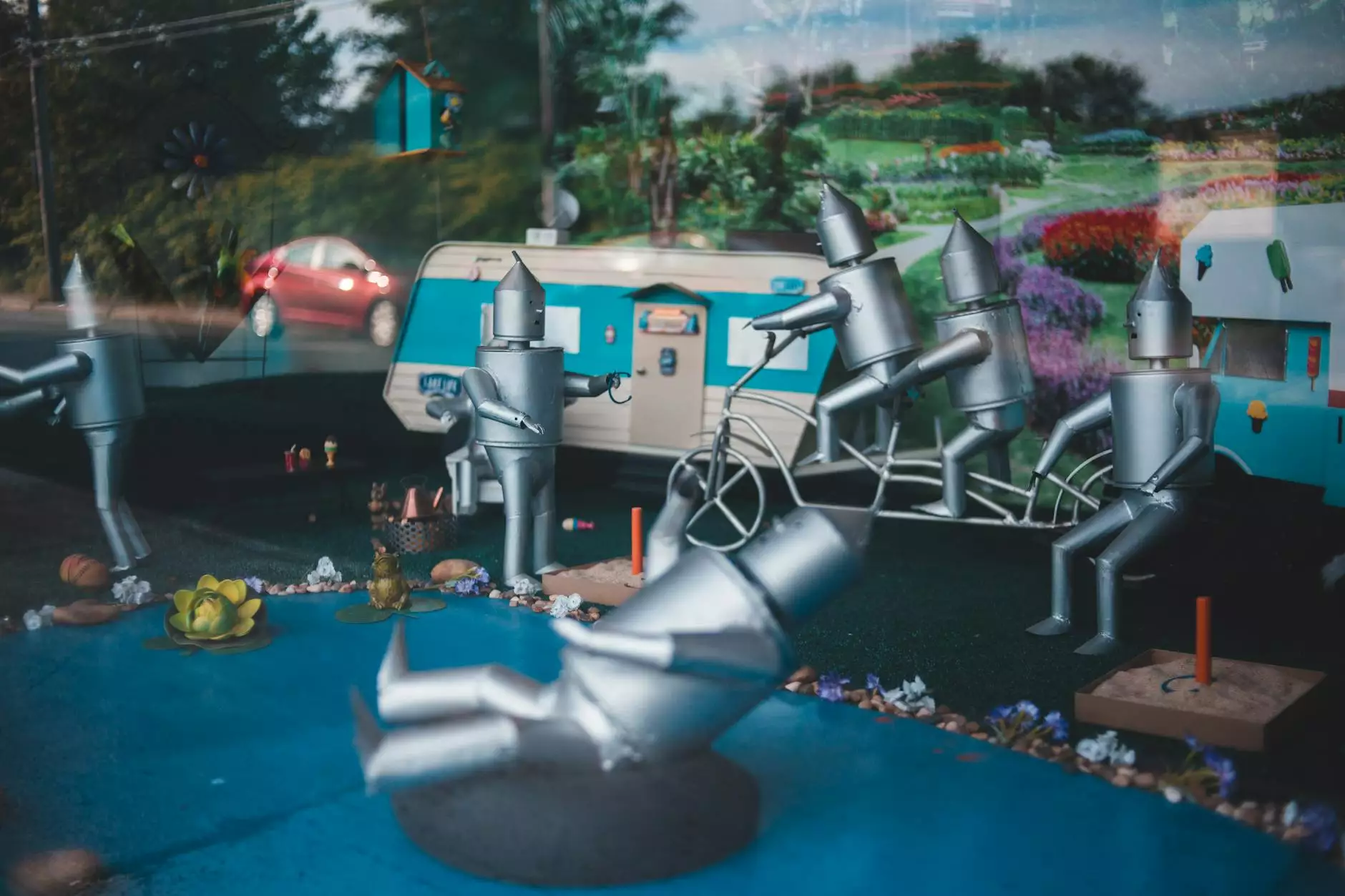
In the realms of architecture and product design, the creation and use of maquette prototypes play a pivotal role. These physical representations not only invite creativity but also serve as functional tools in the design process. This article dives deep into the nuances of maquettes and prototypes, exploring their benefits, applications, and the transformative impact they have on design projects.
Understanding the Basics: What Are Maquettes?
A maquette is a small-scale model or a preliminary version of a design that architects and designers use to visualize their ideas concretely. Originating from the French word meaning "scale model", maquettes offer a tangible means to assess proportions, forms, and spatial relationships before committing to full-scale production.
What Are Prototypes?
On the other hand, a prototype represents a working version of a concept that might be functional or non-functional. Prototypes are often used to test and refine particular aspects of a design, be it functionality, usability, or materials. Both prototypes and maquettes can be vital in the iterative design process, but they serve distinctive purposes within that framework.
The Intersection of Maquettes and Prototypes
The term "maquette prototypes" beautifully captures the essence of how these two concepts intersect. By combining the visual and physical aspects of maquettes with the practical functionality of prototypes, designers can enhance their creative arsenal significantly. Here are several aspects where this intersection proves invaluable:
1. Improved Visualization
Craftsmen and designers often confront the challenge of visualizing how their ideas will translate into physical realities. Maquette prototypes serve to bridge this gap, providing a three-dimensional reference that aids in better understanding the final product.
2. Early Feedback and Iteration
By creating a maquette prototype, designers can obtain early feedback from stakeholders, clients, or focus groups. This feedback is critical; it allows for essential adjustments to the design before significant resources are allocated to final production.
3. Communicating Ideas Effectively
In collaborative settings, having a physical model helps convey complex ideas more effectively than sketches or digital renderings. It allows team members to engage with the model directly, leading to clearer communication and fewer misunderstandings.
Benefits of Integrating Maquette Prototypes in Design Processes
The integration of maquette prototypes into the design process is not merely beneficial; it is often essential. Here are some key advantages:
- Cost-Effective Decision Making: By identifying design flaws early through maquettes, designers can avoid costly errors in later stages of production.
- Enhanced Creative Thinking: The physical nature of a maquette can inspire new ideas and modifications that may not be evident in two-dimensional planning.
- Catering to Diverse Skill Sets: Maquette prototypes can engage a variety of collaborators, from engineers to artists, enhancing teamwork.
Types of Maquette Prototypes
The world of maquette prototypes is versatile, accommodating various techniques, materials, and designs. Here is a brief overview of some common types:
1. Architectural Maquettes
Architects often utilize architectural maquettes to translate their vision into a physical form. These models can vary in complexity from simple block structures to detailed representations that include landscaping and furniture.
2. Industrial Design Prototypes
In industrial design, maquette prototypes are used to explore ergonomics and aesthetic appeal. Designers create small-scale versions of products to test how they would fit in consumer environments and potentially inform functionality.
3. Theatrical Maquettes
In theater production, maquettes serve as set designs, allowing directors and designers to envision the stage layout. These maquettes can become tools for designing elaborate backdrops and stage elements that reflect the narrative.
4. Film and Animation
In film and animation, maquettes can be beneficial in pre-visualization, allowing directors to plot scenes and camera angles effectively. They can also serve as models for character design.
The Process of Creating a Maquette Prototype
Developing a maquette prototype is a process that entails several stages:
- Conceptualization: Before any material is handled, the designer begins with sketches and brainstorming to identify key elements of the design.
- Material Selection: Depending on the application, designers choose appropriate materials, ranging from cardboard and foam to wood and plastic.
- Construction: Using the selected materials, the designer constructs the maquette, ensuring accuracy in scale and proportions.
- Evaluation: Once completed, the maquette is assessed for its effectiveness in communicating the design.
The Future of Maquette Prototypes in Design
As technology evolves, so does the field of design. Digital tools such as 3D printing and computer modeling have begun to change how maquettes and prototypes are created and utilized. However, the tactile, hands-on experience of working with a maquette prototype remains irreplaceable, providing insight and feedback that digital counterparts cannot.
Conclusion
In summary, the incorporation of maquette prototypes into the design process enhances creativity, facilitates communication, and promotes iterative improvement. As industries continue to grow, so does the need for effective representation of ideas, turning the maquette prototype into an essential tool for architects, industrial designers, and artists alike.
For those interested in exploring the world of maquette prototypes further, resources such as workshops, online courses, and even studios specializing in this area can provide invaluable insights and hands-on experience. Embracing this approach not only leads to innovative design solutions but will undoubtedly inspire the next generation of creators and designers.
Explore more about maquettes and maquette prototypes at maquettes-architecture.fr.