Cancer Clinics: Comprehensive Care and Innovative Treatments
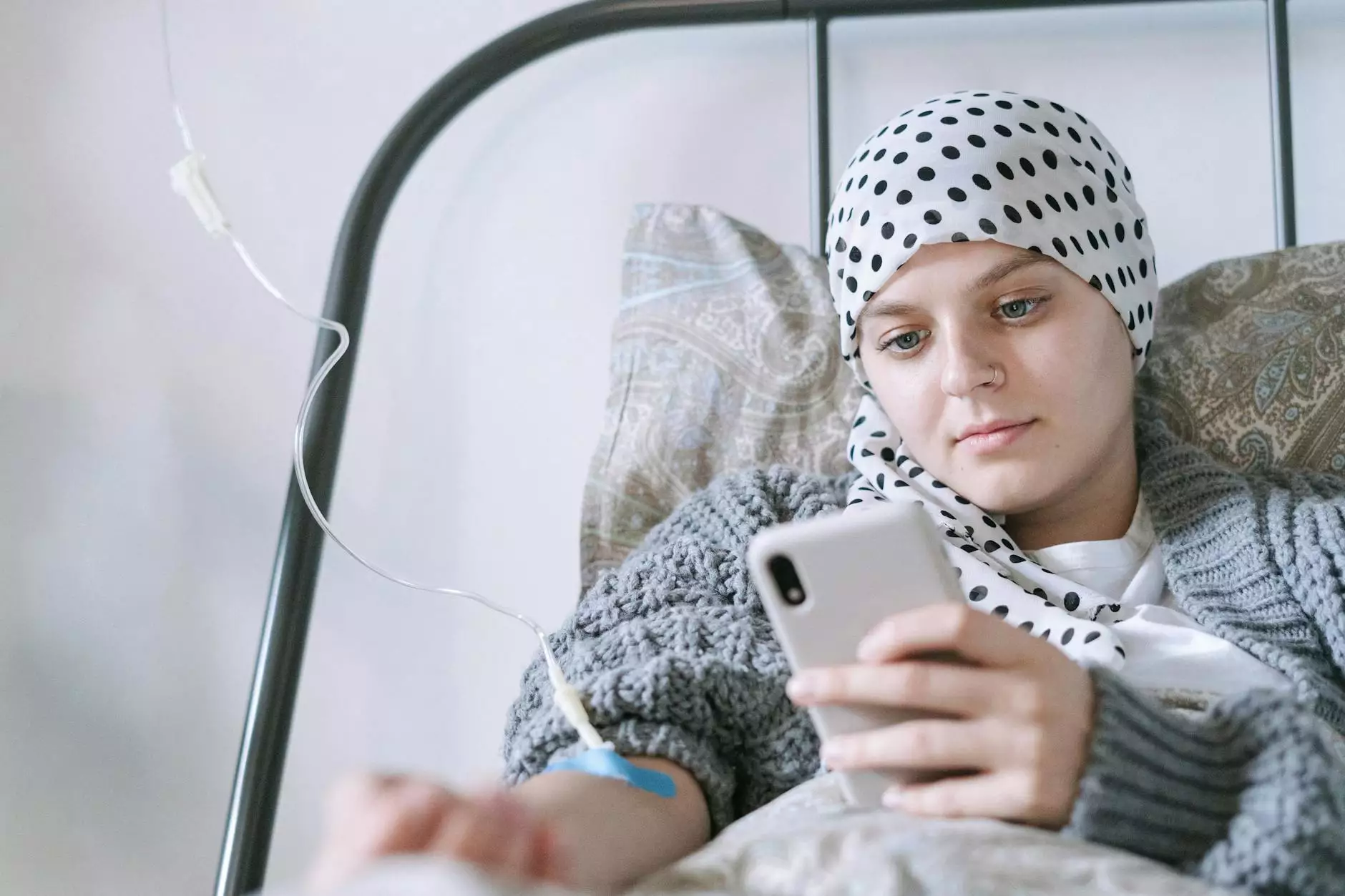
In today's fast-paced world, cancer clinics stand at the forefront of innovation, providing patients with state-of-the-art medical care, groundbreaking treatments, and emotional support. With a mission to improve patient outcomes and enhance the quality of life for cancer patients, these specialized facilities are essential in the battle against cancer. This article delves into various aspects of cancer clinics, from types and treatments to support systems and the role of technology in oncology.
The Role of Cancer Clinics in Modern Healthcare
Cancer clinics are dedicated institutions focusing on the prevention, diagnosis, treatment, and management of cancer. Their multidisciplinary approach combines the expertise of oncologists, surgeons, nurses, social workers, and other health professionals to ensure a comprehensive care plan for each patient. Notably, cancer clinics have revolutionized cancer care through:
- Specialized Treatments: Tailoring therapies to meet individual patient needs.
- Research and Development: Contributing to innovate treatment methodologies.
- Support Services: Providing psychological, nutritional, and social assistance.
Types of Cancer Clinics
Cancer clinics can be categorized into various types based on their services and specialties. Understanding these categories can help patients choose the right facility for their needs. Here are the main types of cancer clinics:
1. Comprehensive Cancer Centers
These clinics offer a wide range of services, including diagnostic imaging, chemotherapy, radiation therapy, and surgical interventions. They often participate in clinical trials, providing patients access to the latest treatments.
2. Academic Cancer Centers
Associated with universities, these centers focus on research, treatment, and education. They are often at the cutting edge of medical advancements, attracting leading oncologists and researchers from around the world.
3. Community Cancer Clinics
Typically located in local hospitals or standalone facilities, these clinics provide essential cancer treatment and support services for patients in the community. They aim to make cancer care accessible to a broader population.
4. Specialty Cancer Clinics
Some clinics concentrate on specific types of cancer, such as breast, lung, or prostate cancer. These facilities employ oncologists who specialize in those particular areas, enhancing their expertise in treatment options.
Innovative Treatments Available at Cancer Clinics
Cancer clinics are at the forefront of developing and providing innovative treatments. Here are some of the most promising therapies available:
1. Chemotherapy
This common cancer treatment uses powerful drugs to kill cancer cells or stop them from dividing. Clinics customize chemotherapy regimens based on the patient's cancer type and stage, providing personalized treatment plans.
2. Radiation Therapy
Cancer clinics utilize advanced radiation techniques such as IMRT (Intensity-Modulated Radiation Therapy) and stereotactic radiosurgery. These methods allow for precise targeting of tumors while minimizing damage to surrounding healthy tissue.
3. Immunotherapy
A revolutionary approach to cancer treatment, immunotherapy harnesses the body's immune system to fight cancer. Clinics are increasingly offering this treatment modality as it has proven effective for various tumor types.
4. Targeted Therapy
Unlike traditional chemotherapy, targeted therapies focus on specific genetic markers or proteins in cancer cells. This personalized medicine approach increases efficacy while reducing side effects.
5. Clinical Trials
Many cancer clinics conduct clinical trials, offering patients access to cutting-edge treatments that are not yet widely available. Participating in a clinical trial can provide new hope and options for patients with advanced cancer.
Support Services Provided by Cancer Clinics
Beyond medical treatments, cancer clinics provide essential support services to aid patients throughout their journey. These services are crucial for both mental and physical well-being. Key support services include:
- Psycho-Oncology: Psychological support to help patients cope with the emotional impact of cancer.
- Nutritional Counseling: Tailored diets to support health during treatment.
- Patient Navigation: Assistance in navigating treatment plans, appointments, and support resources.
- Support Groups: Opportunities for patients to connect with others facing similar challenges.
- Financial Assistance Programs: Help with navigating insurance and financial支cussions related to cancer care.
Technological Advancements in Cancer Treatment
The integration of technology into cancer care has led to significant advancements. Cancer clinics are leveraging the following technologies:
1. Telemedicine
With the rise of telemedicine, patients can consult with oncologists remotely, reducing barriers to access and enhancing convenience, especially for those who may have difficulty travelling to appointments.
2. Advanced Imaging Techniques
Technologies like MRI, PET scans, and CT scans are continually evolving, improving the accuracy of cancer detection and monitoring treatment responses.
3. Robotic Surgery
Robotic-assisted surgeries allow for minimally invasive procedures, leading to shorter recovery times and less pain for patients, making it a preferred option in many cancer clinics.
Choosing the Right Cancer Clinic
Selecting the right cancer clinic is crucial for patients. Here are some factors to consider:
- Accreditation: Ensure the clinic is accredited by recognized bodies like the Commission on Cancer (CoC).
- Expertise: Research the specialization and experience of the oncologists.
- Patient Reviews: Read testimonials and reviews from previous patients to gauge their experiences.
- Services Offered: Ensure the clinic provides the specific treatments and support services needed.
- Location and Accessibility: Choose a facility that is easy to reach for regular appointments.
The Future of Cancer Treatment
The landscape of cancer clinics is expected to evolve rapidly in the coming years. Some anticipated trends include:
- Personalized Medicine: Continued advancements in genomics will allow for even more tailored treatment approaches.
- Integration of AI: Artificial intelligence will play an increasing role in diagnostics and treatment planning.
- Holistic Care Models: Emphasis on combining traditional medical treatments with complementary therapies to treat the whole person.
- Increased Accessibility: Efforts to reduce barriers to care, including telehealth options and mobile cancer clinics.
Conclusion
Cancer clinics embody the hope and resilience of countless individuals battling cancer. They represent a community of professionals dedicated to improving lives and pushing the boundaries of what is possible in cancer care. By offering innovative treatments, expert support, and cutting-edge technology, these clinics provide patients with the best chance for recovery and quality of life. As research continues to unlock new possibilities, the future of cancer treatment looks promising, ensuring that patients receive the comprehensive care they deserve.