Unraveling the Counterfeit British Pound Sterling
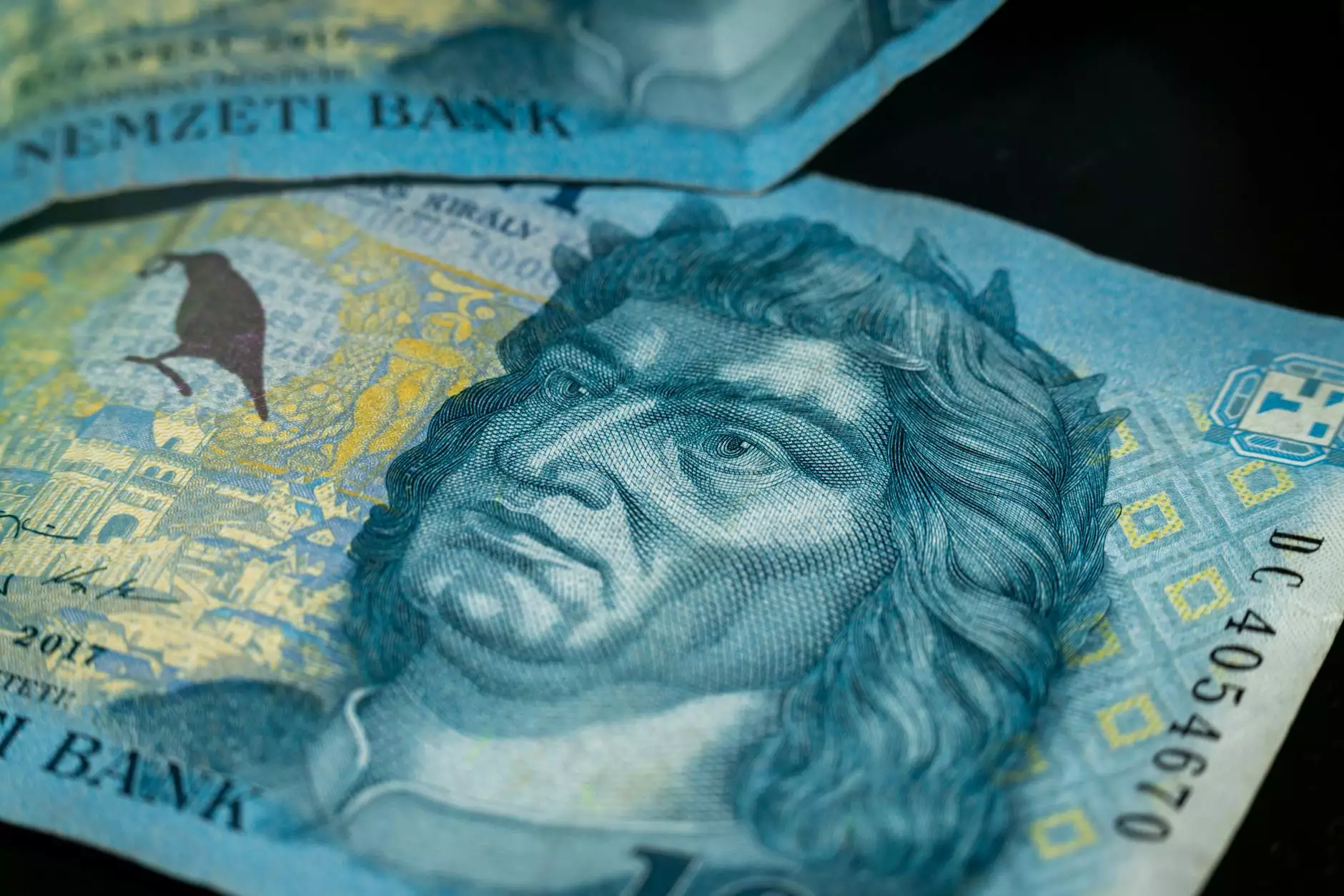
The phenomenon of counterfeit British Pound Sterling has become increasingly prevalent in today’s economy, raising important questions about the safety and integrity of currency. As businesses and consumers are affected by the circulation of fake money, understanding how to identify and deal with counterfeit notes is crucial in maintaining financial health and security. This article delves into the intricacies of counterfeit currency, focusing on the British Pound Sterling, offering valuable insights into recognition, prevention, and the implications of counterfeit currency on businesses.
What is Counterfeit Currency?
Counterfeit currency refers to fake money that is produced with the intent to deceive recipients into believing it is legitimate. This illegal activity poses a significant threat to economic stability, eroding trust in financial systems. Counterfeit British Pound Sterling notes are designed to mimic genuine notes as closely as possible, making them difficult to detect without proper knowledge and techniques.
The Impact of Counterfeiting on Businesses
The implications of accepting counterfeit money are dire for businesses. Not only does it lead to direct financial loss, but it can also damage the credibility and reputation of a business. When customers discover they have received counterfeit currency, their trust diminishes, negatively influencing their future purchasing behaviors.
How to Identify Counterfeit British Pound Sterling
Identifying counterfeit currency requires a keen eye and an understanding of the key features that distinguish real banknotes from fakes. Learning these features can help you and your business avoid falling victim to counterfeiters. Here are some features to look out for:
Key Features of Genuine British Pound Sterling
- Watermarks: Genuine £20 notes have a watermark of the Queen’s portrait, recognizable when held up to the light.
- Security Threads: A thin, embedded thread can be seen when the note is held against the light, confirming its authenticity.
- Color-Shifting Ink: The denomination number on the note appears to change color when viewed from different angles.
- Microprinting: Tiny, intricate text is printed in various areas of the note, which is challenging to reproduce accurately in counterfeits.
- UV Features: When exposed to UV light, certain elements of the banknote will fluoresce, making it easier to spot fakes.
Techniques for Spotting Counterfeit Money
In addition to knowing the features of genuine notes, employing techniques for detection can further guard against counterfeit British Pound Sterling. Here are several methods to enhance your counterfeit detection capabilities:
Use Technology to Your Advantage
Investing in counterfeit detection devices can significantly reduce the risk of accepting fake currency. These devices range from simple pens that test for the chemical composition of paper to advanced machines that utilize UV and infrared technology to assess banknotes. Additionally, mobile applications are now available, providing users with quick reference guides to genuine banknote features.
The 'Feel' Test
Genuine banknotes are made from a specific blend of cotton and polymer, giving them a distinct texture. Relying on touch as a detection method—feeling for raised printing or unusual texture—can serve as an instant test when inspecting notes.
Best Practices for Businesses to Prevent Counterfeit Currency Transactions
To safeguard against counterfeit British Pound Sterling, businesses should adopt a multi-faceted approach focusing on education, implementation, and vigilance. Here are some effective strategies:
Educate Employees
Training staff on how to recognize counterfeit banknotes is an essential step in prevention. Implement regular educational sessions and workshops to keep employees informed about the latest counterfeiting techniques and detection methods.
Implement a Cash-Handling Policy
Establishing a strict cash-handling policy is vital for all businesses. Define clear procedures for cash transactions, including secure storage and regular audits. Consider limiting the amount of cash that can be accepted in certain transactions, promoting electronic payments where feasible.
The Legal Aspects of Counterfeiting
Counterfeiting is a serious crime that can lead to severe legal consequences. The production and distribution of counterfeit British Pound Sterling are illegal under the Forgery and Counterfeiting Act 1981, carrying penalties that include substantial fines and imprisonment. Businesses that deal with counterfeit currency may also face legal ramifications, including financial penalties and reputational damage.
Reporting Counterfeit Notes
If counterfeit money is detected, it is crucial to report it to the appropriate authorities. In the UK, businesses should contact the Bank of England or local law enforcement to report the incident and seek guidance on how to handle the situation. Prompt reporting helps authorities tackle counterfeiting operations more effectively.
The Future of Currency and Counterfeiting
As technology evolves, so do the methods of counterfeiting, making it necessary for businesses to stay informed about advancements in both currency production and counterfeit detection. The introduction of more sophisticated security features in banknotes, such as holograms and advanced materials, aims to combat the threat of counterfeiting. However, it is essential for businesses and consumers alike to remain vigilant and proactive.
The Role of Digital Currency
The rise of digital currency and contactless payments has introduced new opportunities as well as challenges. While digital transactions can reduce cash-related counterfeiting risks, they also present unique security concerns. As businesses embrace technological advancements, they must carefully evaluate cybersecurity measures to protect against fraud.
Conclusion
In conclusion, the issue of counterfeit British Pound Sterling poses significant risks to businesses, making education, vigilance, and technology essential in safeguarding against fraudulent transactions. By understanding the features of genuine currency, applying effective detection techniques, and establishing robust cash-handling policies, businesses can position themselves to protect against the negative impacts of counterfeiting. Staying informed about the evolving counterfeiting landscape and adapting to changing technologies will further enhance security measures, ensuring a healthy economic environment for all stakeholders involved.
As you navigate your business ventures, remember that awareness and preparedness are your strongest allies in combating counterfeit currency. Together, we can create a secure financial ecosystem that fosters trust and economic growth.