Comprehensive Guide to Oncology Clinics

Oncology clinics play a crucial role in the fight against cancer, providing specialized care, advanced treatments, and emotional support for patients and their families. This article delves into the intricate workings of oncology clinics, highlighting their importance, services offered, and the advancements in cancer treatment that enhance the quality of care provided.
The Role of Oncology Clinics in Cancer Care
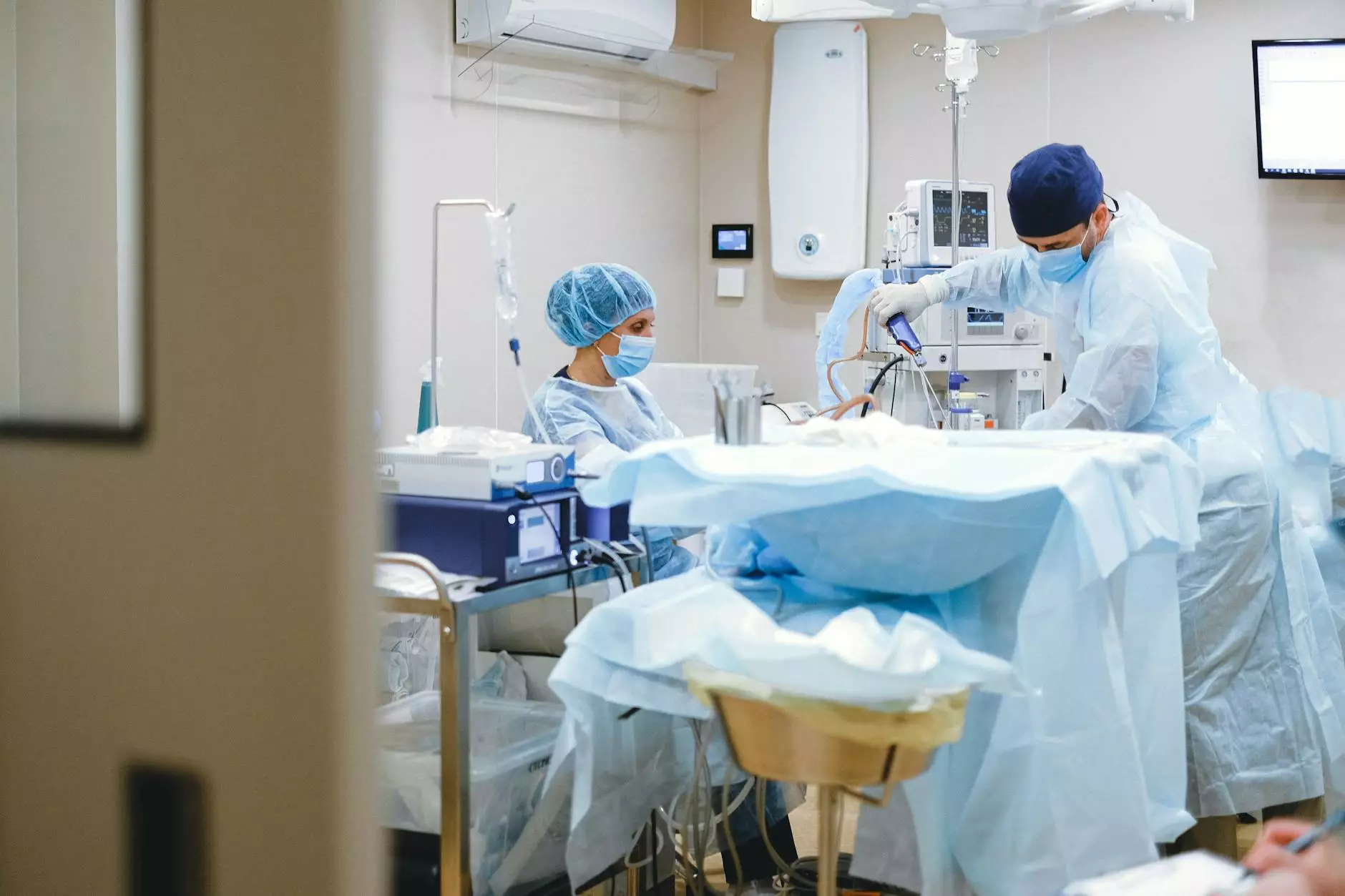
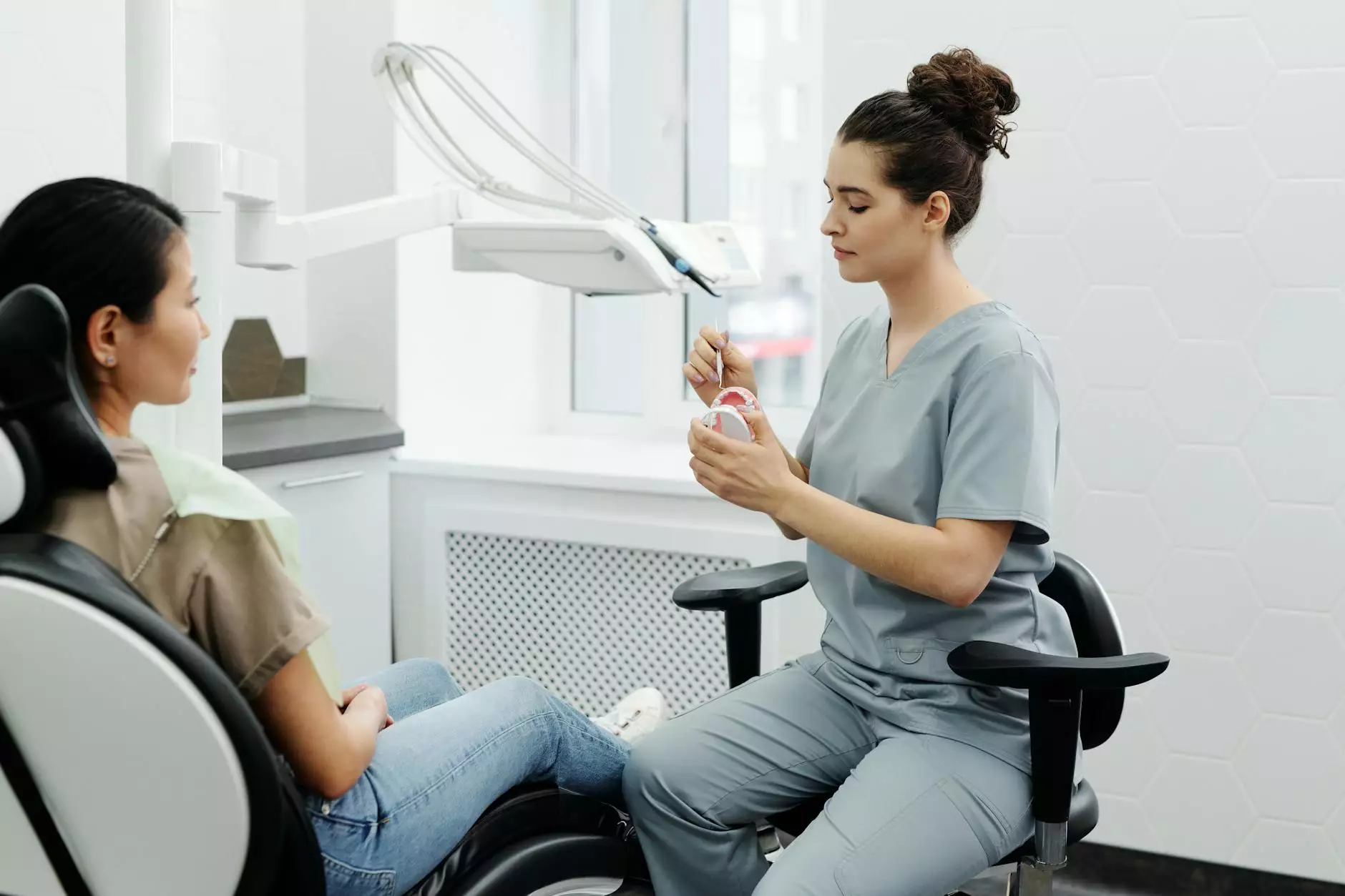
Oncology clinics are dedicated facilities where patients receive diagnosis, treatment, and rehabilitation for various forms of cancer. These clinics bring together a team of specialists, including oncologists, nurses, and support staff, all working collaboratively to ensure that each patient receives personalized and effective treatment.
Multidisciplinary Approach to Treatment
One of the most significant advantages of oncology clinics is their multidisciplinary approach. This involves a team of healthcare professionals from various fields working together to develop a comprehensive treatment plan tailored to each patient's unique needs. These teams usually include:
- Medical Oncologists: Specialists who focus on the treatment of cancer using chemotherapy and other medications.
- Radiation Oncologists: Experts who utilize radiation therapy to target and kill cancer cells.
- Surgical Oncologists: Surgeons skilled in removing tumors and affected tissues.
- Nurses and Physician Assistants: Professionals who provide ongoing care and support to patients throughout their treatment journey.
- Social Workers and Psychologists: Experts who help patients cope with the emotional and psychological aspects of cancer treatment.
Diagnostic Services Offered by Oncology Clinics
Accurate diagnosis is essential for developing an effective treatment plan. Oncology clinics provide a range of diagnostic services, including:
- Imaging Tests: Techniques such as X-rays, MRIs, and CT scans help visualize tumors and assess their size and spread.
- Biopsies: Procedures that involve taking a sample of tissue to determine the presence and type of cancer.
- Blood Tests: Tests that can detect markers and abnormalities associated with certain cancers.
- Genetic Testing: Assessments that evaluate hereditary cancer risks and tailor treatments based on genetic profiles.
Innovations and Advancements in Oncology Clinics
Oncology is a rapidly evolving field, with ongoing research and innovation leading to improved therapies and patient outcomes. Some notable advancements in oncology clinics include:
Targeted Therapy
Targeted therapy involves using drugs designed to identify and attack specific cancer cells without affecting normal cells. This approach minimizes side effects compared to traditional chemotherapy, which can affect healthy cells. Oncology clinics are increasingly offering targeted therapies as part of their treatment regimens, leading to more effective results for patients.
Immunotherapy
Immunotherapy is an innovative treatment that harnesses the body’s immune system to fight cancer. This form of therapy can be particularly effective against specific types of cancer, and clinics are expanding their offerings in this area due to its success in enhancing survival rates for various cancers.
Personalized Medicine
Oncology clinics also embrace the concept of personalized medicine, wherein treatments are tailored based on individual patient characteristics, such as genetic makeup and tumor biology. By customizing treatment plans, clinics enhance the likelihood of successful outcomes and minimize the risk of adverse effects.
Supporting Patients Through Their Cancer Journey
Beyond medical treatments, oncology clinics are committed to supporting patients emotionally and psychologically. This holistic approach ensures that patients have access to resources that address their mental and emotional needs during such a challenging time.
Patient Education and Resources
Oncology clinics often provide educational resources, including:
- Workshops and Seminars: Programs that educate patients about their diagnosis, treatment options, and coping strategies.
- Support Groups: Opportunities for patients to share experiences and find solidarity with others facing similar challenges.
- Nutrition Counseling: Guidance on maintaining a healthy diet during treatment, which can significantly influence recovery.
Research and Clinical Trials
Oncology clinics are also hotbeds for research and clinical trials that investigate new treatment modalities. Participating in clinical trials can provide patients access to cutting-edge therapies that may not be widely available. Furthermore, these trials contribute valuable data that can help shape the future of cancer treatment.
Choosing the Right Oncology Clinic
Selecting the right oncology clinic is a crucial step in the cancer treatment journey. Patients should consider the following factors when making their choice:
Accreditations and Credentials
Ensure that the oncology clinic has the necessary accreditations and that the medical staff possesses relevant credentials. This validation is crucial in confirming that the clinic adheres to recognized standards of care.
Specialized Services
Different clinics may specialize in various types of cancer or treatment modalities. Researching the clinic's specific expertise can lead to better outcomes, especially for more aggressive or rare cancers.
Patient Testimonials and Reviews
Reading patient reviews and testimonials can provide insights into the overall patient experience at the clinic, including the quality of care, staff professionalism, and the treatment environment.
Conclusion
Oncology clinics are essential in offering comprehensive care for cancer patients, employing a multidisciplinary approach that incorporates the latest advancements in treatment. By understanding the services these clinics provide and the innovations in cancer therapy, patients can navigate their treatment options more effectively. Whether it's through personalized medicine, targeted therapies, or emotional support, oncology clinics are dedicated to improving patient outcomes and enhancing the quality of life for those facing cancer.
Final Thoughts
In the ever-evolving landscape of cancer treatment, oncology clinics stand at the forefront, committed to excellence in patient care. With the integration of cutting-edge technologies and a compassionate approach, these clinics are equipped to change the narrative surrounding cancer diagnoses, providing hope and healing at every step of the journey.