Understanding Air Cargo Cost per kg: A Comprehensive Guide
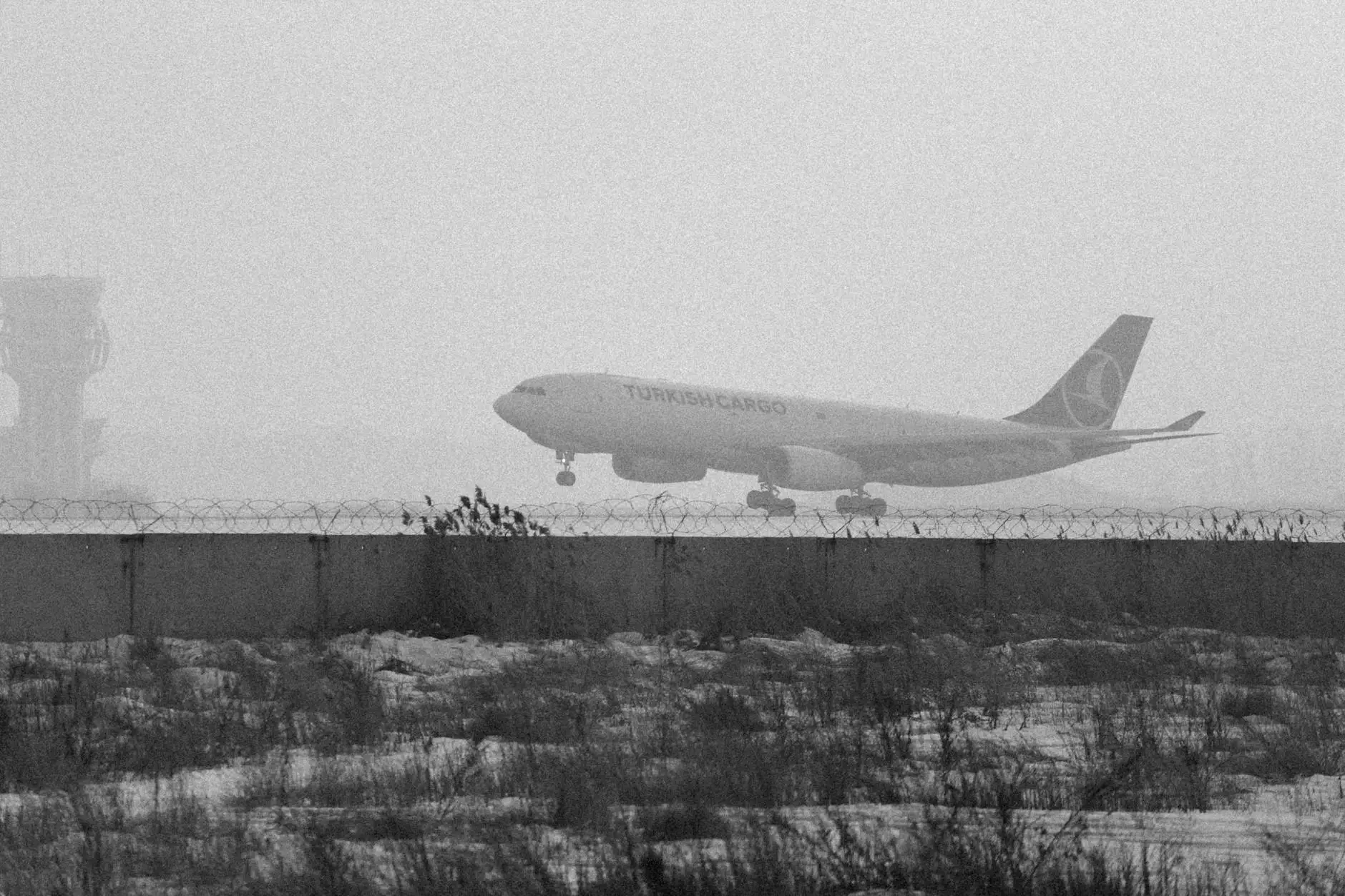
In today's global economy, efficient transportation of goods is crucial for thriving businesses. One of the most effective modes of freight transportation is air cargo. However, as businesses seek to optimize their logistics, understanding the air cargo cost per kg is essential. This guide delves deeply into the various factors that influence air cargo costs, what businesses can do to manage these costs, and the overall benefits of air freight.
What is Air Cargo?
Air cargo refers to the shipment of goods via aircraft. This mode of transport is ideal for businesses seeking to move products quickly over long distances. Whether for exporting products abroad or sending urgent supplies within a country, air cargo provides a solution that speeds up delivery times and ensures the safety of goods.
Factors Influencing Air Cargo Cost per kg
Understanding the various components that contribute to the air cargo cost per kg can help businesses make informed shipping decisions. Here are some key factors:
1. Weight and Volume of Goods
Air cargo costs are significantly impacted by the weight and volume of the items being shipped. Airlines often use the greater of the two metrics when calculating shipping charges. Thus, businesses need to be mindful of dimensional weight—a pricing technique that takes into account both the size and weight of a package.
2. Distance and Destination
The distance between the shipping origin and destination affects costs. Longer distances typically incur higher prices due to increased fuel consumption and logistical complexities. Additionally, destinations with fewer flights may incur higher costs due to limited availability.
3. Type of Cargo
Different types of cargo can have varying rates. For example, hazardous materials or perishables often attract additional fees. Specialized handling and storage requirements contribute to the overall cost as well.
4. Seasonal Fluctuations
Air cargo rates can fluctuate seasonally. During peak seasons, such as the holidays, the demand for air freight increases, often leading to higher prices. Understanding these patterns can aid in budgeting and planning logistics effectively.
5. Airport Fees
Each airport has its own fee structure, which can affect the overall air cargo cost. Airports with high congestion levels or certain security requirements may impose additional charges on shippers. Choosing the right airport can result in significant savings.
6. Fuel Costs
Fuel prices are a major component of shipping costs. Fluctuations in global oil prices inevitably impact air freight pricing. Cargo airlines often adjust rates to accommodate changes in fuel costs, making it a vital consideration in air cargo expenses.
Calculating Air Cargo Costs
When businesses need to estimate air cargo cost per kg, the process generally involves several steps:
- Determine the Weight: Calculate the total weight of the shipment.
- Assess Dimensional Weight: Use the formula (Length x Width x Height) / 5000 (for international shipments) to calculate dimensional weight.
- Identify the Rate: Obtain the applicable rate from the airline. Rates can vary significantly between carriers.
- Consider Additional Fees: Factor in any extra costs such as fuel surcharges, airport fees, and insurance.
- Calculate Total Cost: Use the greater of the actual weight or dimensional weight to calculate the final cost.
Ways to Reduce Air Cargo Costs
Businesses looking to minimize their air cargo expenses can adopt several strategies:
- Negotiate Rates: Establishing strong relationships with freight forwarders and carriers can lead to better rates.
- Consolidate Shipments: Combining multiple smaller shipments into one larger shipment can reduce overall costs.
- Optimize Packaging: Ensuring that packaging is efficient and lightweight can significantly affect shipping costs.
- Plan for Off-Peak Shipping: Timing shipments for off-peak seasons can help avoid high demand rates.
- Utilize Technology: Employ logistics software to track shipments and find the best rates and routes.
The Benefits of Air Cargo
Despite the higher costs associated with air freight compared to sea freight, there are numerous benefits to using air cargo:
1. Speed
Air cargo is undoubtedly the fastest mode of transportation. For businesses needing to send products urgently, air freight provides a solution that minimizes delivery times.
2. Reliability
Air freight often has a predictable schedule, allowing businesses to plan their logistics efficiently. The likelihood of delays is generally lower than other methods of shipping, such as sea or road transport.
3. Safety and Security
Airlines maintain high safety standards, making air cargo a secure option for high-value shipments. Additionally, the shorter transit times reduce the risk of theft or damage.
4. Global Reach
Air cargo services connect with airports around the world, allowing businesses to reach global markets swiftly. This connectivity is invaluable for companies looking to expand internationally.
Air Cargo vs. Other Shipping Options
When considering logistics, businesses must weigh the option of air cargo against other shipping methods, such as sea freight and road transportation.
Air Cargo vs. Sea Freight
Sea freight is typically cheaper but significantly slower. For non-urgent goods, sea freight may be the ideal choice. However, for time-sensitive shipments, air cargo prevails despite the higher cost.
Air Cargo vs. Road Transportation
Road transportation is suitable for domestic shipments. While it may be cost-effective for short distances, it lacks the speed and reliability of air freight, especially for urgent deliveries.
Conclusion
Understanding air cargo cost per kg is vital for businesses aiming to optimize their shipping processes. By considering the various factors impacting rates and implementing strategies to reduce costs, companies can maintain a competitive edge in their industries. The efficiency, speed, and global reach of air cargo make it an invaluable asset for businesses dealing with the complexities of international trade.
For further information on shipping and air cargo logistics, visit cargobooking.aero—your trusted partner in air freight solutions.