Understanding the Role of Doctors of Thoracic Surgery
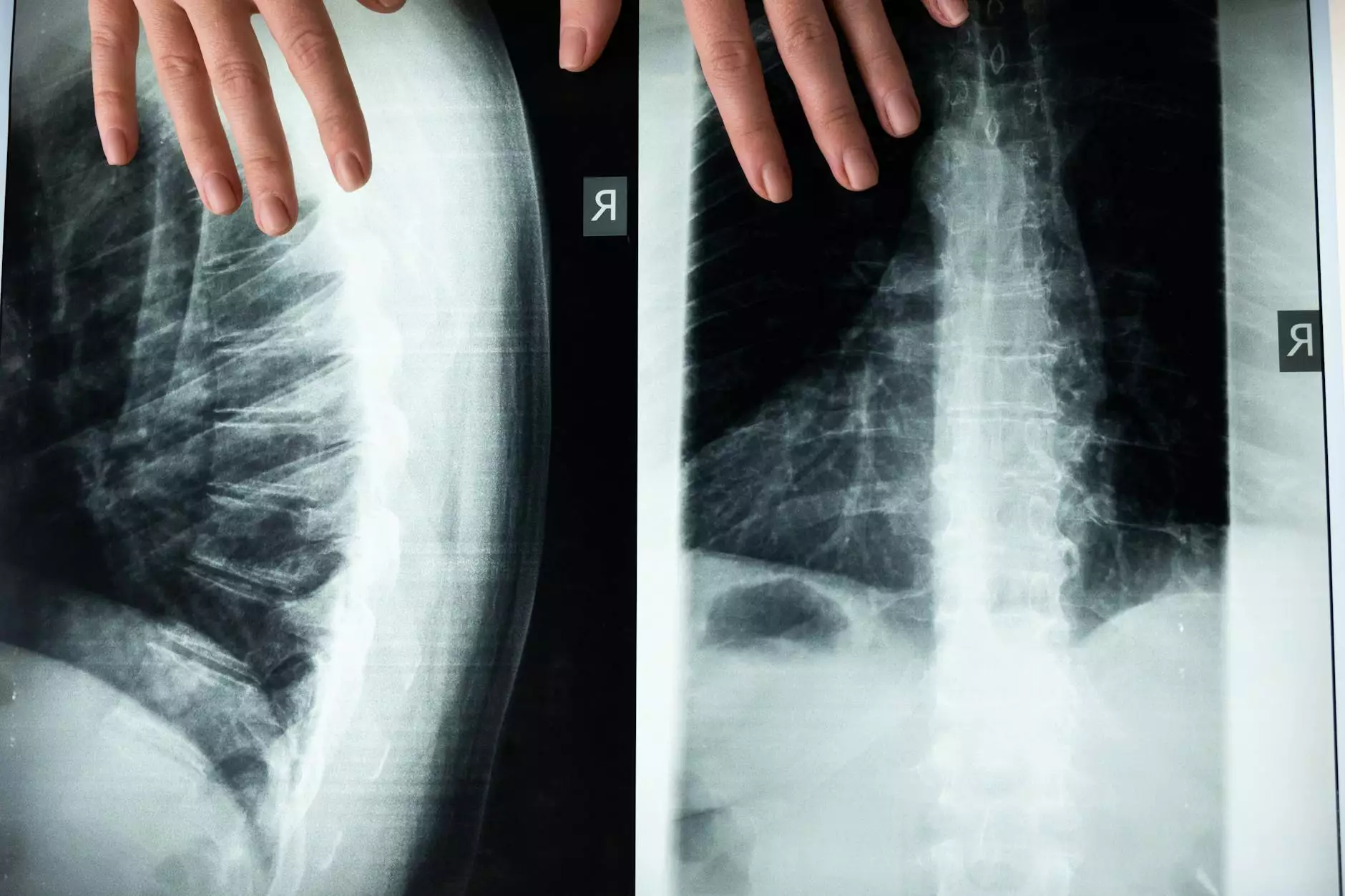
The field of thoracic surgery is pivotal in the medical world, focusing on surgical procedures for diseases affecting the organs within the chest. In this article, we will delve deep into the significance of doctors of thoracic surgery and how their expertise shapes patient outcomes across various health challenges.
What is Thoracic Surgery?
Thoracic surgery is a specialized field dedicated to surgical interventions within the chest, primarily focusing on the lungs, heart, esophagus, mediastinum, and other structures. Surgeons in this field play a critical role in treating conditions such as:
- Thoracic aneurysms
- Esophageal cancer
- Mesothelioma
- Congenital heart defects
- Pulmonary diseases
- Trauma to the chest
The Qualifications of Doctors of Thoracic Surgery
To become a surgeon specializing in thoracic procedures, one must undergo extensive training. This typically includes:
- Medical Degree: Completion of a medical degree is the first step.
- General Surgery Residency: This is usually a minimum of five years.
- Thoracic Surgery Fellowship: After general surgery, an additional 2-3 years is required to focus specifically on thoracic surgery.
Doctors must also be board-certified, demonstrating proficiency in their specialty. Continuous education is crucial to keep up with advancements in surgical techniques and technology.
Common Procedures Performed by Doctors of Thoracic Surgery
Thoracic surgeons conduct a variety of procedures, often intricate and requiring a high level of skill and expertise. Some notable procedures include:
- Video-Assisted Thoracoscopic Surgery (VATS): A minimally invasive technique used to diagnose and treat various conditions.
- Open Heart Surgery: Operations to repair heart problems, often involving bypass grafting.
- Lobectomy: Removal of a lobe of the lung, often for cancerous growths.
- Esophagectomy: Surgical removal of part or all of the esophagus, commonly due to cancer.
- Pneumonectomy: Removal of an entire lung, typically done as part of cancer treatment.
The Importance of a Multidisciplinary Approach
In thoracic surgery, collaboration is essential. Doctors of thoracic surgery often work alongside other specialists, including oncologists, pulmonologists, cardiologists, and radiologists. This multidisciplinary approach enhances patient care by:
- Facilitating comprehensive treatment plans.
- Improving surgical timing and coordination.
- Enhancing post-operative care and monitoring.
Such teamwork ultimately leads to better outcomes, shorter recovery times, and improved patient satisfaction.
Recovery and Patient Care
Understanding post-operative care is crucial for patients undergoing thoracic surgery. Recovery can vary significantly based on the procedure performed. Key aspects of recovery include:
- Pain Management: Effective strategies to manage pain to ensure comfort during recovery.
- Respiratory Therapy: Essential in helping patients regain lung function.
- Nutrition: Proper nutrition can aid in healing and recovery, helping patients regain strength.
- Regular Follow-ups: Ongoing monitoring is vital to address any complications early.
How to Choose a Doctor of Thoracic Surgery
Choosing the right thoracic surgeon can be a pivotal decision in your healthcare journey. Here are some tips to help you make an informed choice:
- Research Credentials: Ensure that the surgeon is board-certified and has significant experience in the required procedure.
- Ask About Specializations: Some doctors focus on specific types of surgeries; choose one whose expertise aligns with your needs.
- Consider Hospital Affiliations: Top-quality hospitals often have better surgical outcomes.
- Patient Reviews: Look for feedback from former patients regarding their experiences.
Future Trends in Thoracic Surgery
The field of thoracic surgery is constantly evolving with advancements in technology and techniques. Here are some emerging trends to watch for:
- Minimally Invasive Techniques: Continued development in VATS and robotic-assisted surgery is expected to improve patient outcomes.
- Enhanced Recovery After Surgery (ERAS): Protocols focusing on optimizing recovery times and experiences are being increasingly implemented.
- Telemedicine: Remote consultations and follow-ups are becoming more common, improving access to care.
- Personalized Medicine: Genetic profiling and advanced imaging are paving the way for tailored treatment plans.
The Impact of Thoracic Surgeons on Public Health
The role of doctors of thoracic surgery extends beyond the operating room. They contribute significantly to public health by:
- Participating in awareness initiatives about lung health and cancer prevention.
- Engaging in clinical research to pioneer new treatments and improve existing ones.
- Training the next generation of surgeons, ensuring the advancement of the field.
Through these contributions, thoracic surgeons help shape a healthier future for communities worldwide.
Conclusion
In summary, the role of doctors of thoracic surgery is instrumental in treating complex disorders of the chest. Their extensive training, collaborative approach, and commitment to patient care lead to significant advancements in patient outcomes. As the field continues to evolve, these dedicated professionals will remain at the forefront of medical progress, ensuring that individuals receive the best possible care for their thoracic conditions.
For those seeking specialized thoracic surgical care, consider exploring the resources available at Neumark Surgery. Here, you can find experienced and dedicated surgeons ready to assist with various thoracic concerns.