Tortoise Pets: A Comprehensive Guide to Caring for Your Shelled Companion
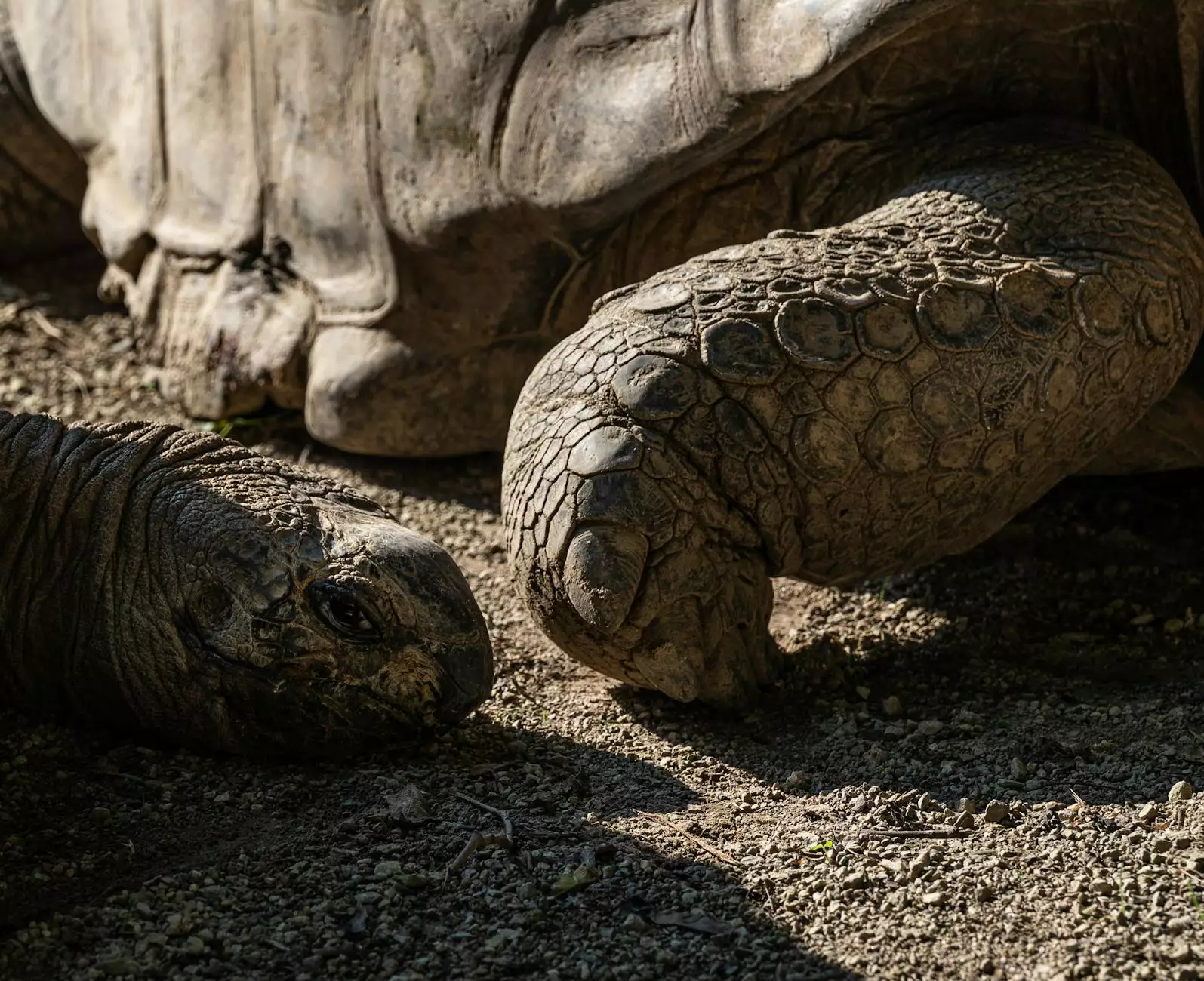
When it comes to pets, many people consider traditional choices like dogs and cats. However, an increasing number of individuals are discovering the joy of owning tortoise pets. Their unique characteristics and relatively low maintenance requirements make them an excellent choice for those looking for a different kind of companion. This article aims to be your ultimate resource for understanding the ins and outs of caring for tortoises as pets, ensuring they lead happy and healthy lives.
The Allure of Tortoise Pets
Tortoises are fascinating creatures that evoke a sense of calm and longevity. Their slow-paced nature and remarkably long lifespan—from 50 to over 100 years—make them a cherished companion for many enthusiasts. Additionally, tortoises bring a sense of connection to nature. Their intriguing behavior and unique personalities further enhance their appeal.
Why Choose a Tortoise as a Pet?
- Longevity: Tortoises can live for decades, often outliving other pet types.
- Low Maintenance: Tortoises generally require less daily care than more active pets.
- Unique Personalities: Each tortoise has its own quirks and behaviors that can be both entertaining and rewarding to observe.
- Educational Opportunities: Owning a tortoise can teach children and adults alike about responsibility, biology, and conservation.
Understanding Different Tortoise Species
Knowing which species of tortoise is best suited for you is crucial. Here are some popular options:
1. Russian Tortoise (Testudo horsfieldii)
The Russian tortoise is one of the most popular pet tortoises. They are small in size, typically growing to about 8-10 inches, making them suitable for smaller living spaces. They have a friendly disposition and adjust well to captivity with proper care.
2. Sulcata Tortoise (Centrochelys sulcata)
For those with ample space, the Sulcata tortoise is another popular option. They can grow significantly larger, reaching sizes of up to 30 inches. Sulcata tortoises are social and require a substantial outdoor environment to thrive.
3. Leopard Tortoise (Stigmochelys pardalis)
Known for their beautiful shell patterns, Leopard tortoises are medium to large tortoises that can grow between 18-24 inches. They are native to Africa and thrive well in warm environments.
4. Greek Tortoise (Testudo graeca)
The Greek tortoise is another excellent choice for those interested in tortoise pets. They are hardy and can adapt to varying conditions, making them suitable for both indoor and outdoor habitats.
Creating the Perfect Habitat for Your Tortoise
An essential part of caring for a tortoise is providing them with a suitable habitat. Here’s a breakdown of what you need to consider:
1. Indoor Habitat Setup
If you plan to keep your tortoise indoors, a secure and spacious enclosure is crucial. Here’s what to include:
- Size: The enclosure should be large enough for your tortoise to move freely. A minimum of 4x2 feet is recommended for most species.
- T substrate: Use natural substrates like coconut coir or organic soil to mimic their natural environment.
- Heating and Lighting: Tortoises require a basking area heated to 90-95°F and cooler areas around 70°F. UVB lighting is also necessary for calcium absorption.
2. Outdoor Habitat Setup
An outdoor setup can be beneficial, especially for larger tortoise species. Here’s how to design the perfect outdoor habitat:
- Enclosure: A secure fence is crucial to prevent escape from predators. Ensure the sides are buried at least a foot underground.
- Shelter: Provide shaded areas and shelters where the tortoise can retreat from heat.
- Natural Elements: Include rocks, plants, and logs to enhance the tortoise's environment, providing both stimulation and hiding places.
Nourishing Your Tortoise
Feeding your tortoise the right diet is vital for their health. Here are some guidelines:
1. Natural Diet
Most tortoises are herbivores and require a diet rich in plant materials. Consider incorporating:
- Leafy Greens: Kale, collard greens, and dandelion greens are excellent choices.
- Weeds: Clover and plantain can offer additional variety and nutrients.
- Vegetables: Small amounts of bell peppers and squash can be included, but avoid starchy vegetables.
2. Supplements and Water
Your tortoise may need mineral and vitamin supplements, particularly calcium. Offer fresh water daily, and ensure they have access to it at all times.
Health Care for Tortoises
Regular health checks are important to ensure your tortoise remains in optimal condition. Here are key health considerations:
1. Common Health Issues
Tortoises can be susceptible to certain health problems, including:
- Respiratory Infections: Signs include wheezing or nasal discharge.
- Shell Rot: This condition often arises from poor habitat conditions, indicating inadequate humidity or cleanliness.
2. Veterinarian Visits
Regular check-ups with a veterinarian specializing in reptiles can be beneficial. Establish a routine health check at least once a year.
Behavior and Handling of Tortoise Pets
Understanding your tortoise's behavior can enhance the bond you share. Here are some handling tips:
1. Observing Behavior
Tortoises are generally not as active as other pets. Spend time simply observing them. Each tortoise has its personality, revealing itself through its movement and eating habits.
2. Safe Handling
If you wish to handle your tortoise, do so gently.
- Ensure your hands are clean to avoid transmitting bacteria.
- Support the entire body by holding the shell, avoiding any pressure on the limbs or head.
- Avoid holding tortoises too high off the ground to prevent accidental drops.
Conclusion
Owning tortoise pets can be a fulfilling experience that brings the wonders of nature into your home. By understanding their needs, creating a suitable environment, and ensuring proper care, you can enjoy a long, rewarding relationship with your shelled companion. Whether you’re considering adopting a tortoise or are already a proud tortoise owner, the love and commitment you invest will undoubtedly pay off in the joy of shared companionship.
Explore More at Buy Reptiles Aus
If you are interested in adopting a tortoise or learning more about exotic pets, visit Buy Reptiles Aus. They offer a vast selection of tortoise pets alongside other reptiles, along with invaluable resources on care, habitat setup, and much more.