Enhancing Your Business Through Efficient Air Container Transport
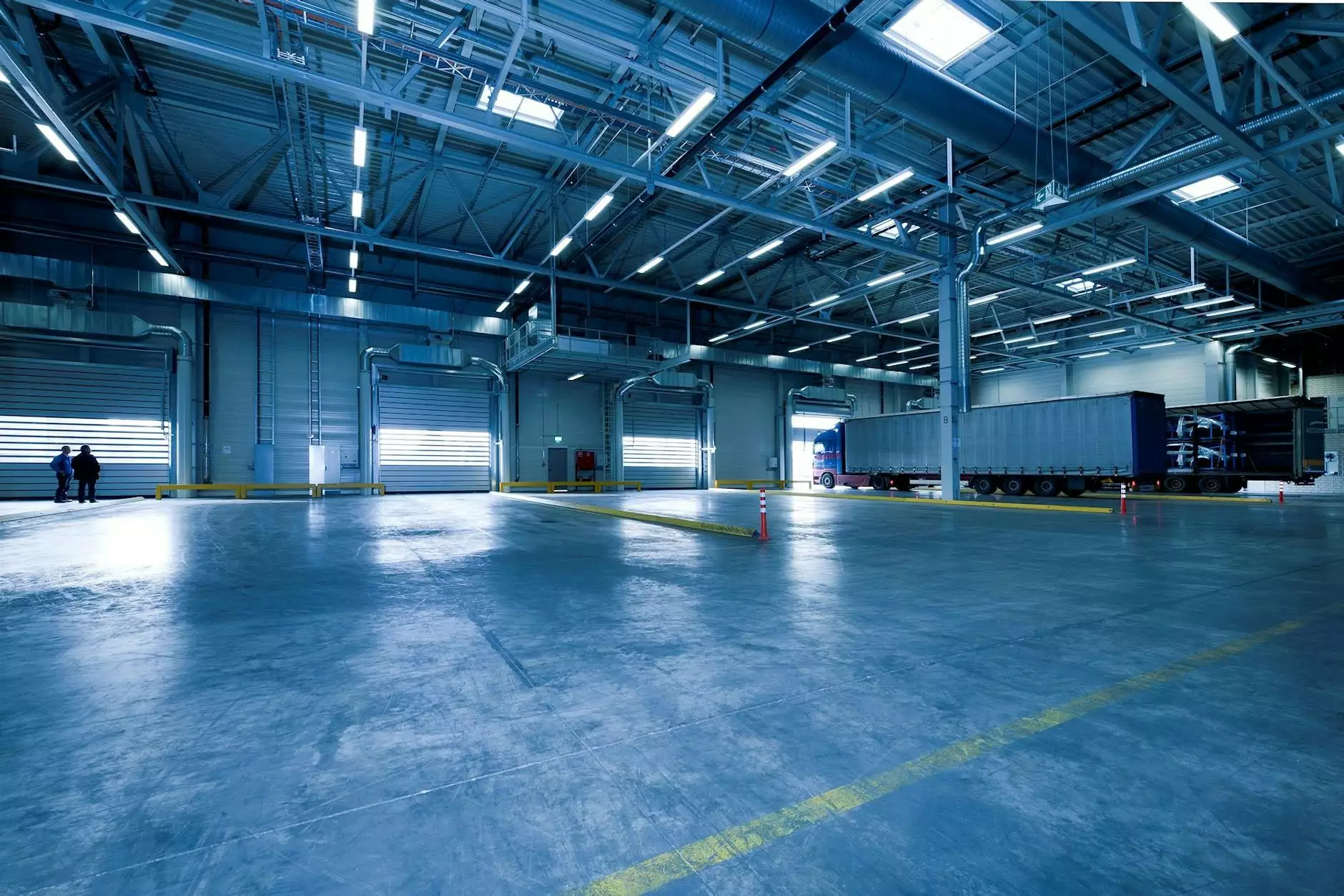
Air container transport has revolutionized the way goods are shipped globally. With an ever-increasing demand for speed and efficiency in logistics, businesses must adapt to the dynamics of air freight. This article will explore the intricacies, advantages, and strategies related to air container transport, ensuring your operations are not just efficient but also cost-effective.
The Growing Importance of Air Container Transport
In an age of rapid globalization, the role of air container transport cannot be overstated. Businesses increasingly rely on air freight for several critical reasons:
- Speed: Air freight is the fastest method for transporting goods, making it ideal for time-sensitive shipments.
- Global Reach: With the ability to access remote and distant markets, air transport allows businesses to broaden their customer base.
- Reliability: Airlines follow strict schedules, providing assurance of timely deliveries.
- Safety: Air cargo is often less susceptible to theft and damage compared to other forms of transport.
Understanding the Mechanisms of Air Container Transport
Air container transport utilizes specialized containers, which are designed to maximize cargo capacity and ensure safety during transit. These containers come in various types, each tailored for different products:
- Standard Containers: Ideal for general cargo, these containers maximize available space.
- Refrigerated Containers: Essential for transporting perishable goods, maintaining appropriate temperatures throughout the journey.
- Dangerous Goods Containers: Specifically designed to handle hazardous materials, complying with international safety standards.
- Specialized Containers: For oversized or uniquely shaped cargo, ensuring they are transported securely.
The Logistics of Air Container Transport
The logistics involved in air container transport encompass a series of organized steps that ensure smooth transportation from origin to destination:
- Booking: The process starts with booking your cargo space with an airline or freight forwarder.
- Preparation: Goods are prepared for shipment, including proper packaging and documentation.
- Transport to Airport: Logistic providers usually handle this step, moving goods to the departure airport.
- Customs Clearance: Necessary documentation is processed, ensuring compliance with regulations.
- Loading: Goods are loaded into air containers and subsequently into the aircraft.
- In-Flight Transport: The goods travel to the destination airport.
- Unloading: Upon arrival, goods are unloaded from the aircraft and prepared for distribution.
- Final Delivery: The goods are then transported to the final destination, completing the shipping process.
Advantages of Choosing Air Container Transport
Choosing air container transport can offer numerous advantages for businesses looking to streamline their shipping processes:
1. Quick Turnaround Time
One of the standout advantages of utilizing air freight is the quick turnaround time. Businesses can move goods across vast distances in a matter of hours, ensuring that they can respond to market demands rapidly.
2. Reduced Inventory Costs
With faster shipping times, businesses can maintain lower inventory levels. This leads to reduced storage needs and costs, as goods can be shipped on an as-needed basis.
3. Enhanced Security
Air transport is often more secure than other forms of freight. The stringent measures in place at airports, coupled with the fast transport times, contribute to a lower risk of damage or theft.
4. Environmental Considerations
While air transport has been criticized for its carbon footprint, advancements in aircraft technology and logistics efficiency are contributing to greener practices. Airlines are adopting more fuel-efficient planes and optimizing routes to reduce environmental impact.
Challenges in Air Container Transport
While there are numerous benefits, air container transport does come with its challenges:
1. High Costs
Air freight is typically more expensive than land or sea transport. The cost of fuel, airport fees, and specialized handling needs can add up. Businesses must assess whether the speed of delivery justifies these costs.
2. Capacity Limitations
Not all goods are suitable for air transport. Due to weight and size restrictions, some bulk items may not be feasible to ship by air.
3. Regulatory Compliance
Shipping goods, especially hazardous materials, requires strict adherence to regulations. Ensuring compliance can be a complex process requiring expert knowledge.
How to Optimize Your Air Container Transport Strategy
To capitalize on the advantages of air container transport, businesses should consider the following strategies:
1. Partner with Experts
Working with experienced freight forwarders can make a significant difference. They can navigate the complexities of logistics, regulations, and costs, providing tailored services that meet your needs.
2. Evaluate Your Shipping Needs
Regularly assess your shipping requirements. Identify which products benefit most from air transport and which can be managed with other modes of shipping to optimize costs.
3. Invest in Technology
Utilizing logistics software can help you track shipments, manage inventory, and forecast demand, allowing for more efficient planning and operation.
4. Maintain Strong Communication
Maintain clear and open lines of communication with all stakeholders involved in the logistics process. This includes suppliers, carriers, and customers. Effective communication can mitigate many potential issues before they arise.
Future Trends in Air Container Transport
The landscape of air container transport is continuously evolving. Keeping an eye on trends can help businesses prepare for the future:
- Increased Automation: More logistics operations are embracing automation, leading to faster and more accurate processing of shipments.
- Green Initiatives: As sustainability becomes a priority, air freight companies are focusing on reducing carbon footprints by investing in new technologies.
- Blockchain Technology: The adoption of blockchain for supply chain management can enhance transparency and security in air freight transactions.
- Advanced Analytics: Businesses are using data analytics to refine their logistics strategies, improving decision-making and efficiency.
Conclusion
In conclusion, air container transport is a vital component of modern logistics and supply chain management. By understanding its advantages, challenges, and strategic importance, businesses can effectively leverage air freight to stay competitive in the ever-evolving market landscape. With careful planning and the right partnerships, utilizing air container transport can lead to heightened efficiency, reduced costs, and improved customer satisfaction. Embrace the future of logistics with cargobooking.aero as your trusted partner for seamless air freight solutions.
air container transport