Exploring the World of Famous Light Installation Artists
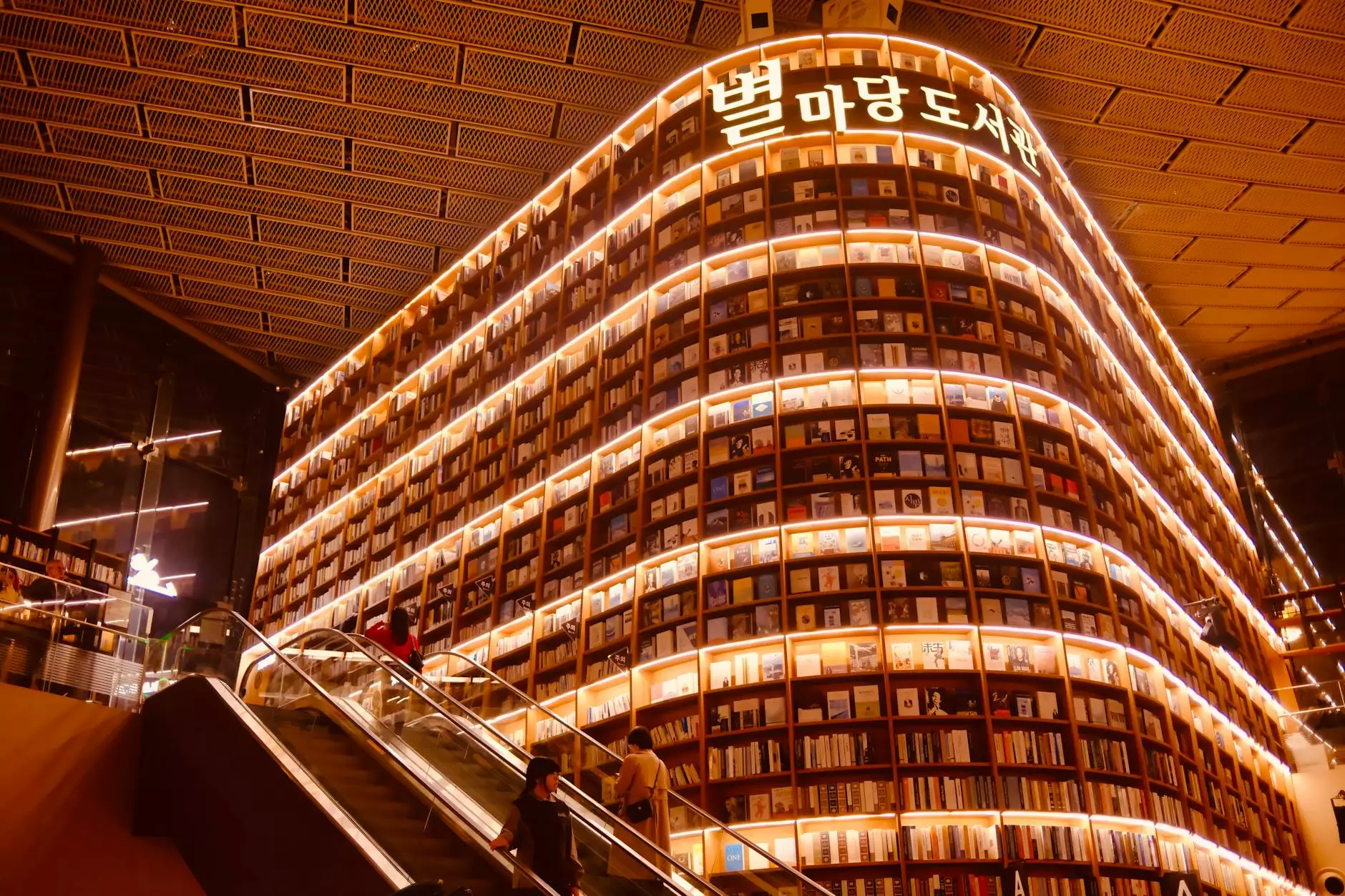
Introduction to Light Installations
Light installations have become a revolutionary aspect of contemporary art. The use of light as a medium not only enhances visual experiences but also evokes emotions and narratives that resonate with viewers. Famous light installation artists have mastered the art of transforming everyday spaces into spectacular displays that transcend traditional boundaries of artistry.
The Evolution of Light Art
From its early beginnings in the mid-20th century, the genre of light art has evolved tremendously. Artists such as James Turrell, known for his profound understanding of how light interacts with space, began experimenting with light installations as a means of creating immersive environments. His work challenges perceptions and blurs the lines between art and reality.
Key Developments in Light Art
- 1960s: Artists start experimenting with neon lights and projections.
- 1970s: The advent of technological innovations enables more complex installations.
- 1980s onwards: The rise of interactive light sculptures engages viewers directly.
Prominent Figures in Light Installation Art
Numerous artists have left their mark on the genre. Here are some of the most renowned famous light installation artists who have contributed significantly to the craft:
1. Olafur Eliasson
Olafur Eliasson is celebrated for his large-scale installations that often incorporate natural elements and light. His famous pieces, such as The Weather Project, utilize light to create a mesmerizing atmosphere within museum spaces. Eliasson’s work invites viewers to contemplate their interaction with the environment.
2. Jenny Holzer
Jenny Holzer is another significant figure whose text-based light installations challenge societal norms. Utilizing LED technology, her work communicates powerful messages and prompts viewers to reflect on contemporary issues, bringing awareness to topics often overlooked.
3. Ann Hamilton
Ann Hamilton combines light and sound in her installations, creating multisensory experiences. She uses light to create atmosphere, often exploring themes of language and communication within her works.
The Impact of Light Installations on Urban Spaces
Light installations are not confined to galleries; they have begun to shape urban landscapes. Cities around the globe feature light festivals that highlight the creativity of both established and emerging famous light installation artists. These festivals not only enhance city aesthetics but also foster community engagement.
Notable Light Festivals
- Vivid Sydney: An annual festival that transforms the city with light projections and installations.
- Lumiere London: A biannual light festival that showcases innovative works from renowned artists across the globe.
- Fête des Lumières in Lyon: A historical festival celebrating light art with dazzling displays throughout the city.
Understanding the Techniques Behind Light Installation Art
The techniques utilized by famous light installation artists are as varied as their creative visions. Some common methods include:
Projection Mapping
This technique allows artists to project images and animations onto three-dimensional surfaces, transforming ordinary objects into dynamic visual experiences that tell stories and engage viewers in innovative ways.
LED Technology
With advancements in technology, LED lights have become a staple in light installation art. Their versatility, energy efficiency, and ability to produce vibrant colors make them an ideal medium for artists. Many installations use programmable LED lights to create mesmerizing sequences and interactions.
Interactive Installations
Some artists take a step further by creating interactive light installations. These pieces allow viewers to alter or influence the artwork through their movements or participation, creating a personal connection between the audience and the artwork.
The Relationship Between Light and Emotion
One of the most compelling aspects of light installation art is its ability to evoke emotion. Artists understand how different colors and intensities can influence mood and perception. For example:
- Warm Colors: Often associated with comfort and happiness.
- Cool Colors: Evoking calmness and serenity.
- Brilliant Brightness: Grabbing attention and inciting excitement.
The Future of Light Installation Art
As technology continues to evolve, the future of light installation art seems limitless. Artists are now exploring virtual reality (VR), augmented reality (AR), and artificial intelligence (AI) to push the boundaries of their work, integrating new technologies to create immersive experiences that captivate audiences everywhere.
Conclusion: Celebrating the Art of Light
The work of famous light installation artists serves as a testament to the power of creativity and innovation. Through their transformative installations, they inspire us to see the world in new ways, manipulating light to create beauty and provoke thought. As we look ahead, light art will continue to evolve, challenging our perceptions and enhancing our experiences in increasingly imaginative ways.
Explore More
For those interested in delving deeper into the world of light installation art, visiting galleries and participating in art festivals can provide firsthand experiences of these mesmerizing works. Additionally, artists’ personal websites, such as Grimanesa Amorós, feature a wealth of information, showcasing their innovative projects and contributions to the field of light art.
References and Further Reading
For more insights into the works and thoughts of leading famous light installation artists, consider the following resources:
- James Turrell's Official Site
- Olafur Eliasson's Official Site
- Jenny Holzer's Official Site