The Fascinating History of Tulip Cultivation: A Comprehensive Guide for Gardeners
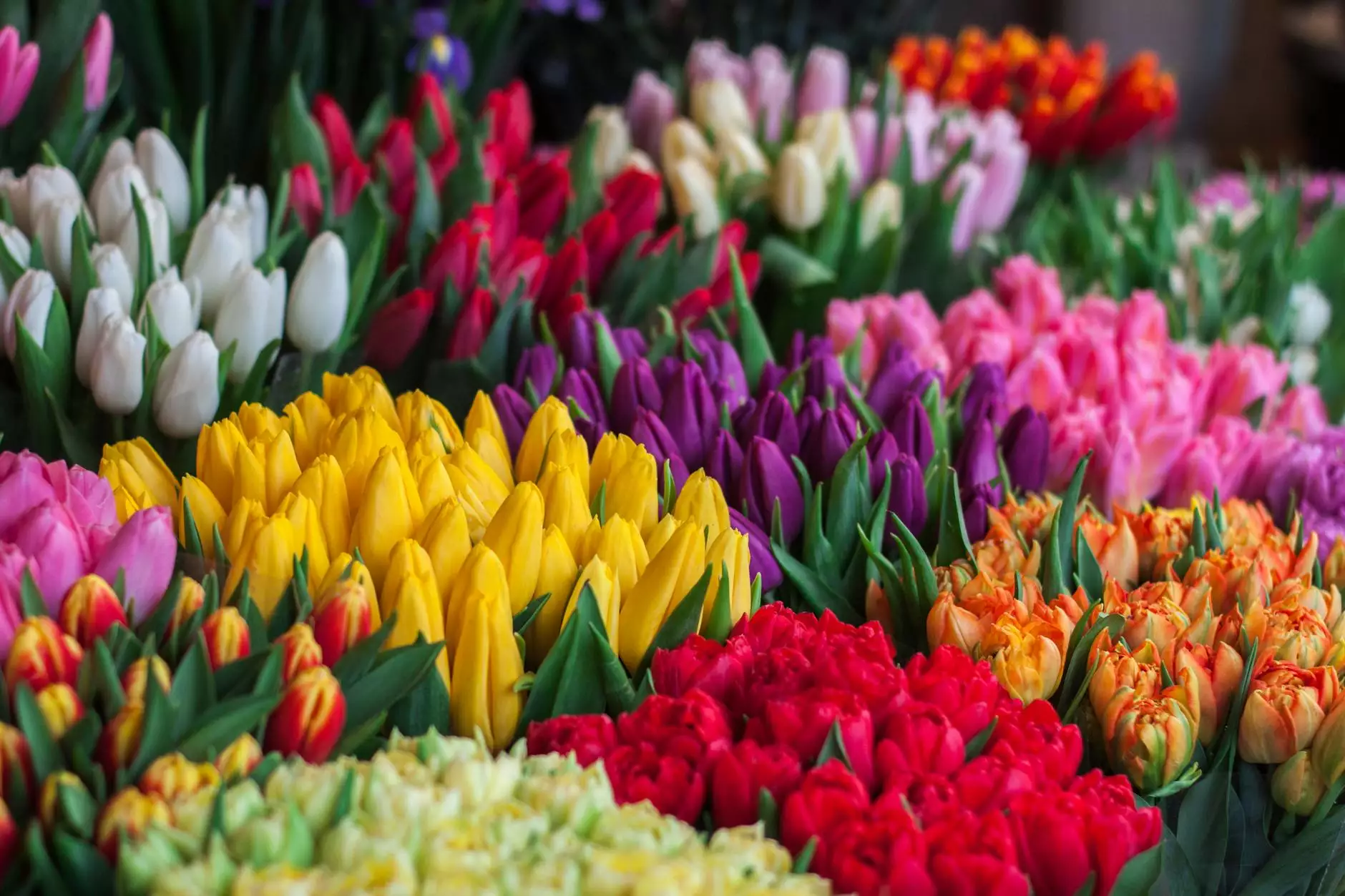
Tulips have long captivated gardeners, botanists, and flower enthusiasts around the world. Their vibrant colors and elegant shapes have made them one of the most beloved blooms in horticulture. But behind their visual appeal lies an astonishing history of cultivation and cultural significance that spans centuries and continents.
Understanding the Origins of Tulip Cultivation
The story of tulip cultivation history begins in the mountainous regions of Central Asia, particularly in what is now modern-day Turkey, Afghanistan, and Iran. Originally wild species were discovered in the wild terrains of these regions, thriving in the high-altitude environments where cold winters and hot summers fostered their unique bulbous growth.
It was around the 10th century that the cultivation of tulips began to take hold, initially limited to the Ottoman Empire. The Turks highly valued tulips for their beauty and symbolism, integrating them deeply into their culture, arts, and even political imagery. The city of Istanbul, formerly Constantinople, became a center of tulip cultivation and breeding, with the flower becoming an emblem of beauty, wealth, and sovereignty.
From Ottoman Gardens to European Estates: The Spread of Tulips
By the 16th century, tulips had begun to seep into European consciousness, primarily through trade routes connecting the Ottoman Empire with Europe. Dutch traders and explorers played a significant role in introducing tulips to the Netherlands, which would eventually become the epicenter of tulip cultivation and breeding worldwide.
During this period, the Dutch developed an intense fascination with tulips, leading to what is famously known as tulip mania in the 1630s. Prices for highly sought-after tulip bulbs soared, some bulbs costing more than a skilled artisan’s yearly income. This phenomenon not only highlights the cultural and economic importance of tulips but also established the Netherlands as a global hub for tulip cultivation and innovation.
The Evolution of Tulip Cultivation Techniques
As the demand for tulips increased, so did the sophistication of cultivation methods. Early growers shifted from simple wild harvesting to selective breeding and controlled cultivation. Techniques such as bulb propagation, hybridization, and disease management became essential for producing high-quality, vibrant varieties.
Modern tulip cultivation leverages advances in horticulture technology, including:
- Hybrid Breeding: Combining different species to create new colors, shapes, and sizes.
- Climate Control: Using greenhouses with regulated temperature and humidity to extend blooming periods.
- Soil Optimization: Employing specialized soil mixes to improve bulb health and flower quality.
- Integrated Pest Management: Ensuring healthy bulbs free from pests and diseases through sustainable practices.
The Significance of Tulips in Modern Horticulture and Garden Design
Today, tulips remain a symbol of spring renewal and horticultural excellence. Gardeners worldwide value them for their versatility, ease of planting, and breathtaking displays. Tulip cultivation has expanded from traditional gardens to urban parks, green roofs, and floral festivals, making them accessible to enthusiasts at all skill levels.
Innovative garden design often incorporates a variety of tulip species, blending classic single-color blooms with multi-colored streaks and fringed edges. The use of tulips in seasonal planting ensures vibrant, colorful scenery that can elevate any outdoor space, whether as border plants, mass plantings, or focal points in mixed flower beds.
The Role of Tulip Cultivation in Sustainable Gardening
Sustainable gardening practices are increasingly influencing tulip cultivation. Gardeners are adopting methods such as organic fertilization, crop rotation, and natural pest control to preserve soil health and biodiversity. Flower farmers and horticulturists also invest in resistant varieties to minimize chemical use and environmental impact.
Furthermore, conservation efforts focus on maintaining genetic diversity within tulip species. This ensures resilience against pests, diseases, and climate change—securely preserving the heritage of the tulip cultivation history for future generations.
Choosing the Right Tulip Varieties for Your Garden
To craft an impressive tulip display, gardeners should select from a broad spectrum of varieties, each with unique characteristics. Some popular categories include:
- Single Early: Blooming in mid-spring with classic cup-shaped flowers, ideal for early season color.
- Darwin Hybrid: Large, hardy blooms with excellent vase life, suited for mass planting.
- Lily-Flowered: Elegant, elongated petals that resemble lilies, adding vertical interest.
- Parrot: Fringed petals with multiple colors, providing a wildflower look.
- Rembrandt: Varieties with streaked or blotched petals, mimicking historical Dutch art.
When planting tulips, it’s essential to consider factors like soil type, sunlight exposure, and climate. Proper bulb handling, planting depth, and spacing contribute significantly to healthy, long-lasting blooms.
Planting and Caring for Tulips: Practical Tips for Gardeners
For optimal results, gardeners should adopt best practices in tulip cultivation:
- Bulb Planting: Plant bulbs in the fall, about 6-8 inches deep, with pointed ends facing upwards.
- Soil Preparation: Use well-drained, loamy soil enriched with compost to promote root development.
- Watering: Water thoroughly after planting but avoid waterlogging, which can cause bulb rot.
- Mulching: Apply mulch to regulate soil temperature and prevent weed growth.
- Post-Bloom Care: Allow foliage to yellow and die back naturally, then lift and store bulbs in a cool, dry place if necessary.
Why Tulip Cultivation Continues to Thrive Today
The ongoing popularity of tulips can be attributed to their adaptability, aesthetic appeal, and deep cultural heritage. Innovators in horticultural science continually develop new hybrids and cultivars, pushing the boundaries of what is possible in flower breeding.
Moreover, ecological awareness and sustainability initiatives are inspiring the industry towards greener practices, ensuring that tulip cultivation remains a sustainable and rewarding venture. With an increasing number of enthusiasts, community gardens, and floral events, the future of tulips in the world of business and gardening looks promising.
In Conclusion: A Rich Heritage that Blossoms in Gardens Today
The tulip cultivation history is a testament to the enduring human fascination with beauty, innovation, and cultural exchange. From humble wild bulbs in Central Asia to global floral icons seen in every garden and event, tulips have woven themselves into the fabric of horticulture and society.
As a modern gardener, understanding this history enriches your appreciation and guides your choices in cultivating these extraordinary flowers. Whether you seek to create a stunning display or preserve the heritage through traditional methods, the legacy of tulip cultivation offers endless inspiration and possibilities.
Embrace the artistry of tulips and become part of a centuries-old tradition that celebrates nature’s beauty, resilience, and the joy of gardening.